Discovering the 7 C's of Digital Marketing Strategies
TL;DR
- This article explores the '7 C's' framework for building robust digital marketing strategies. It covers key elements like customer, content, context, community, convenience, conversion, and consistency, providing actionable insights for brand managers and CMOs to enhance their digital presence and drive business growth in today's rapidly evolving digital landscape.
Introduction: Why the 7 C's Matter in Digital Marketing
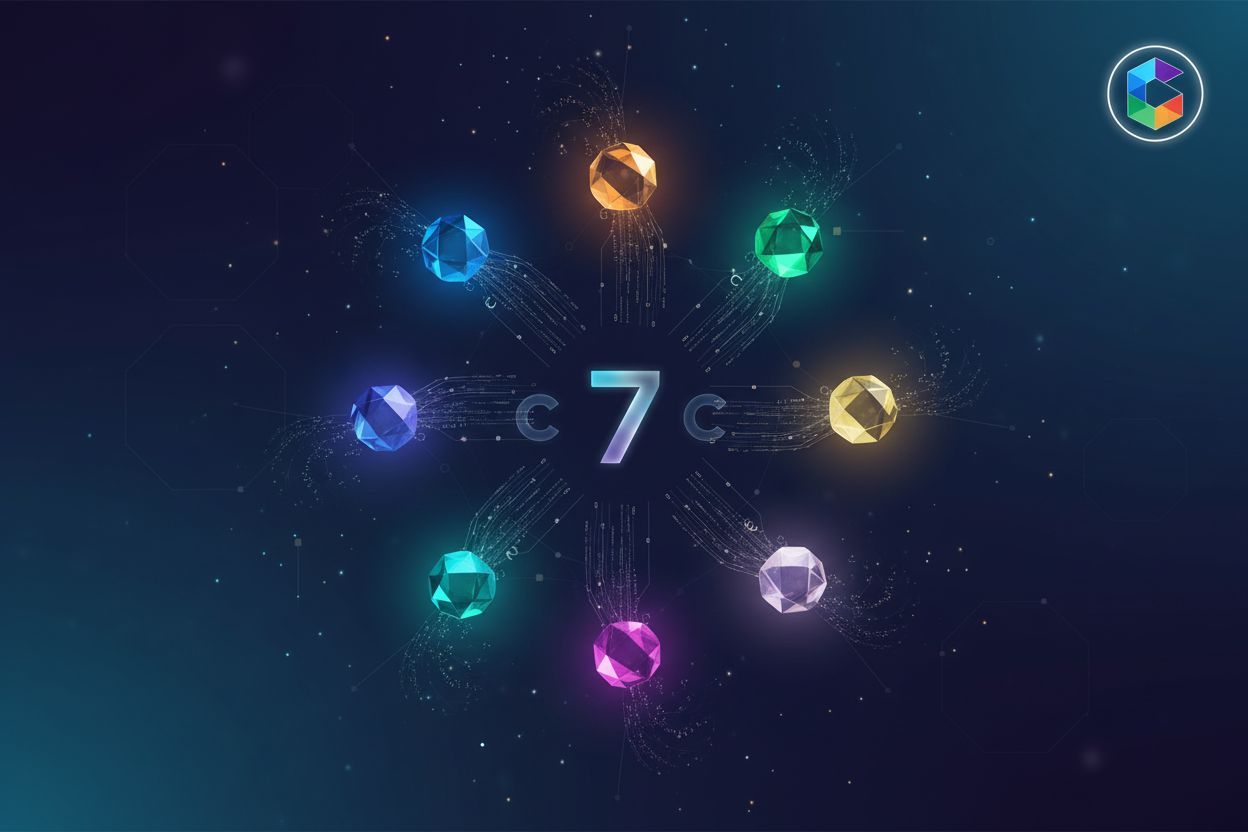
Okay, let's dive into why these "7 C's" are, like, actually important, and not just another marketing buzzword, ya know? It might sound like alphabet soup, but trust me, it's a whole strategy. The 7 C's are: Customer, Content, Context, Community, Convenience, Conversion, and Consistency.
Digital marketing? It's not your grandpa's newspaper ad anymore. Things are changing, like, fast. You gotta keep up, or you'll be left in the dust.
- Tech keeps leaping forward. New platforms, ai tools, fancy analytics... it's a constant stream. What worked last year? Might be totally obsolete now.
- Consumers are picky. People are bombarded with ads all day, every day. They ignore most of it. You need to grab their attention and keep it or they'll scroll right past.
- Competition is fierce. Everyone's fighting for eyeballs online. Standing out from the noise? Harder than ever.
So, what are these 7 C's anyway? Think of them as a checklist, or a guide to keep you on track. They all fit together. It's a digital strategy you can count on to actually work!
- Customer: Know your audience, like, really know them. What do they want? What problems do they have? What makes them tick? Honestly, this is the most important.
- Content: Create stuff that's actually worth reading/watching/listening to. No one wants boring, generic blah-blah. Make it engaging, make it useful, make it them want more.
- Context: Is your message relevant to where people are in their journey? Are they just browsing, or ready to buy? You can't send the same message to both.
- Community: Build a tribe! Get people talking to each other, not just to you. It's not easy but it's possible if you have the right plan.
- Convenience: Make it easy for people to do what you want them to do. Buy something, sign up for a newsletter, whatever. Remove the friction!
- Conversion: Get those leads turned into paying customers. Optimize every step of the process.
- Consistency: Keep your brand voice and messaging consistent across all channels. Don't confuse people.
It's a lot to juggle, I get it. But that's why having this framework is so important. It keeps you focused on what actually matters, and it helps you make sure all your efforts are working towards the same goal.
Next up, we'll get into the first "C": Customer.
C #1: Customer – Understanding Your Audience
Ever wonder why some companies just get you, while others feel like they're shouting into the void? It all starts with really, truly understanding your customer. I mean, beyond just the basic "age" and "location" stuff.
It's about diving deep. What makes your ideal customer tick? What are their hopes, their fears, their secret desires? You need to know this stuff.
Demographics, psychographics, and behavior patterns: Think of demographics as the basics – age, gender, income, education. Psychographics? That's the juicy stuff - values, interests, lifestyle, opinions. Behavior patterns look at how they interact with your brand and competitors. For example, a luxury skincare brand isn't just targeting women aged 35-55 (demographics). They are targeting women who value self-care, are active on Instagram, and are willing to invest in high-quality ingredients (psychographics). And how often they purchase similar items online (behavior).
Creating detailed buyer personas: This is where you bring your ideal customer to life. Give them a name, a job, a family, and a backstory. What are their goals? What are their pain points? What keeps them up at night? Seriously, flesh them out. If you're a SaaS company selling project management software, your persona, let's say "Project Manager Pam," might be struggling with missed deadlines, communication silos, and keeping her team on track. Knowing this helps you tailor your messaging to address her specific needs.
Using data analytics to refine your understanding: Data is your friend here. Website analytics, social media insights, customer surveys, and even good old-fashioned customer interviews can give you a wealth of information. What pages are they visiting on your site? What content are they engaging with on social media? What are they saying in their reviews? Use this data to constantly refine your understanding of your customer and make sure you are answering their questions.
This isn't just about knowing who your customer is, but also what their experience is like when they interact with your brand.
Identifying touchpoints and pain points: Map out every interaction a customer has with your brand, from the first time they hear about you to the moment they (hopefully) become a loyal fan. What are their pain points along the way? Where are they getting frustrated? For a retail business, this might mean looking at everything from the online ad they click on to the in-store experience to the post-purchase follow-up. For example, a customer might click on an ad for a specific dress, but then find the website loads slowly, leading to frustration before they even see the product.
Optimizing the customer experience across all channels: Once you've identified those pain points, fix them! Make the process smoother, easier, and more enjoyable. Is your website clunky and hard to navigate? Redesign it. Are your customer service reps unhelpful? Train them better. It's about creating a seamless experience across all channels.
Understanding your customer isn't a one-time thing. It's an ongoing process of learning, adapting, and refining. And next up, we're going to talk about the second "C": Content.
C #2: Content – Creating Valuable and Engaging Material
Alright, so, content. It ain't just about throwing words on a page and hoping something sticks, you know? It's gotta be good. Like, actually good.
Think about it, what's the point of even having a website or social media if your content is, well, kinda garbage? It's like inviting people to a party and then serving them, day old pizza.
Attracting and retaining audience attention: People's attention spans are shorter than ever. You've got, like, seconds to grab them. And if your content isn't engaging, they're gone. A good example of this, is how video content performs, especially short-form video. Its not just about making a video, its about making a video that people actually want to watch.
Establishing brand authority and trust: If you consistently put out valuable, informative content, people will start to see you as an expert. And that trust? That's gold. Think of a financial services company creating a blog, not just about their services but about financial planning in general.
Driving organic traffic and leads: Good content is like a magnet for search engines. The more helpful and relevant stuff you put out there, the higher you'll rank. And that means more people finding you, organically.
Okay, so what kind of content are we talking about here? It's not just blog posts, though those can be great, when done right.
Blog posts, articles, and ebooks: These are your bread and butter. In-depth guides, how-to articles, thought leadership pieces... the works. For example, a healthcare provider might create a series of blog posts answering common patient questions about a specific procedure.
Videos, infographics, and podcasts: Don't underestimate the power of visuals and audio. Video is HUGE right now. Infographics can simplify complex data. And podcasts are great for reaching people on the go. I mean, who doesn't love a good podcast?
Social media content planning: Social media is a beast of it's own, you need a plan! You can't just post whatever whenever, you need to think about what you are posting, when you are posting, why you are posting it. This involves defining your content pillars, creating a posting schedule, and tailoring content for each platform's audience and format.
seo copywriting techniques: you want people to see your content, right? Well, SEO is how you get that to happen. This involves using relevant keywords, creating compelling meta descriptions, and structuring content for search engines.
You can't just wing it. Trust me, I've tried, and it never works. You need a plan, a schedule, a system.
Editorial calendar planning: This is where you map out what you're going to publish, when, and on what platform. Think of it as your content roadmap.
Content distribution strategy: Creating great content is only half the battle. You also need to get it in front of the right people.
Content performance metrics: How do you know if your content is actually working? You need to track your results. Website traffic, social media engagement, lead generation... all that good stuff.
So, next up we are gonna look at "Context" and how it fits into the 7 c's
C #3: Context – Delivering the Right Message at the Right Time
Context, honestly, might be the most overlooked "C". Think about it - are you really gonna send the same ad for, say, a snowblower to someone in Miami as you would to someone in Minneapolis? Probably not, right? It's all about delivering the right message, to the right person, at the right time. It's about relevance, plain and simple.
It's not enough to just know who your customer is. You need to know where they are, both literally and figuratively.
Device, location, and time of day: Someone browsing on their phone at 8 pm is probably in a different mindset than someone on their desktop at 10 am. A restaurant, could push dinner specials to users browsing nearby on their phones during the early evening. Or consider, someone searching for "winter coats" in July? Maybe they're planning a trip, but probably not ready to buy today.
Personalization based on user data: This is where all that customer data you've been collecting comes in handy. Use it to tailor your messaging to their specific interests and needs. For example, if someone's been browsing hiking boots on your site, show them ads for hiking socks and backpacks, not for, like, evening gowns.
Using context to improve relevance: Context ain't just about demographics or location. It's about understanding their intent. What are they trying to accomplish right now? An e-learning platform might offer a free trial to users who have visited the same course pages multiple times within a short period but haven't signed up yet.
You can't treat everyone the same. Gotta break your audience down into smaller, more manageable groups.
Defining audience segments: Segment your audience based on demographics, psychographics, behavior, purchase history... whatever makes sense for your business. A financial services firm might segment its audience into "young professionals," "retirees," and "small business owners," each with their own unique financial needs.
Tailoring messages to specific groups: Once you've got your segments, craft messages that resonate with each one. Speak their language, address their specific concerns, and offer solutions that are relevant to their situation.
Using marketing automation for contextual delivery: Marketing automation tools can help you deliver the right message to the right person at the right time, automatically. Set up triggers based on user behavior, and let the machines do the work.
Think of context like this: it's not just what you say, but when and where you say it that really matters. Get the context right, and you'll see a huge difference in your results. Next up, we'll dive into "Community" and how to build one around your brand.
C #4: Community – Building Relationships and Fostering Engagement
You know, it's easy to think marketing is just shouting at people, but it's way more fun to build a treehouse and invite everyone in, right? That's what community is all about, building relationships and fostering engagement.
It's not just about how many followers you have; it's about how many of them feel like they belong. It's about creating a space where folks actually want to hang out. A good example of this, is encouraging interaction and participation, this could look like a makeup brand asking its followers to post pictures of themselves and their makeup looks.
- Building a loyal fan base: People are gonna stick around if they feel connected. Think about it: are you more likely to buy from a faceless corporation or a brand that feels like your friend? Exactly... One company, for instance, ran a successful customer appreciation week by offering exclusive discounts and early access to new products, which led to a significant spike in sales and customer loyalty.
- Using social media to connect with your audience: Social media, when done right, can be more than just a megaphone. It's a two-way street where you can actually listen and respond to your people.
So, how do you actually do this community thing? It's not rocket science, but it does take effort.
- Responding to comments and messages: Seriously, don't ignore people! Even a quick "thanks for sharing!" can go a long way. It shows you're actually listening.
- Hosting online events and discussions: Q&As, webinars, even just casual chats – these are all great ways to get people talking.
- Encouraging user-generated content: Get your community to create content for you. Run contests, ask for reviews, and feature the best stuff. People love seeing themselves represented.
Okay, influencers. They can be powerful, but they gotta be the right influencers.
- Identifying relevant influencers: Don't just go for the person with the most followers. Find someone who actually aligns with your brand and whose audience is genuinely interested in what you do.
- Collaborating on content: Work with influencers to create content that's authentic and engaging. Don't just tell them what to say; let them put their own spin on it.
- Measuring the impact of influencer campaigns: Track your results. Are you getting more traffic, more leads, more sales? If not, it might be time to rethink your strategy.
Building a community isn't a quick fix, it's more like a marathon than a sprint, but it's worth it! Next, we'll tackle "Convenience" and how to make everything easier for your customers.
C #5: Convenience – Making It Easy for Customers to Interact
Okay, so, convenience, right? It's not just a "nice to have" anymore; it's like, a requirement. If you make it hard for folks to interact with you, they're gonna bounce, it's a fact.
Think about it: how many times have you abandoned a purchase 'cause the checkout process was a nightmare? Exactly.
- Mobile-first design approach: Seriously, if your website's not mobile-friendly in 2024, you're doing it wrong. Most people are browsing on their phones, so make sure your site looks good and works flawlessly on smaller screens.
- Responsive web design: It's not enough to just have a website; it needs to adapt to different screen sizes automatically. No one wants to pinch and zoom all day.
- User interface optimization: Simple, intuitive, and easy to navigate, that's what you want. Ditch the clutter and make it easy for people to find what they're looking for.
It's all about removing obstacles. The easier you make it for people to do what you want them to do, the more likely they are to actually do it.
- Simplifying navigation and checkout processes: Cut out unnecessary steps, offer guest checkout, and make sure your forms are easy to fill out. Amazon's one-click ordering? Genius.
- Providing clear and concise information: Don't bury important details in a wall of text. Use bullet points, headings, and visuals to make information easy to digest.
- Offering multiple support channels: Some people prefer email, others want to chat, and some just want to pick up the phone. Give them options.
Convenience isn't just about making things easier for your customers; it's about making things easier for yourself, too. It's about streamlining your processes and automating tasks so you can focus on the stuff that really matters. For example, implementing an automated email system for order confirmations and shipping updates frees up your customer service team to handle more complex inquiries.
Next up, we'll explore "Conversion" and how to turn those convenient interactions into actual sales.
C #6: Conversion – Turning Interest into Action
Okay, so you've got folks interested, maybe even poking around your site. Now what? "Conversion" is where you turn that interest into, like, actual action. You want them to buy something, sign up for something, or at least, you know, do something.
- Optimizing Landing Pages: Think of your landing page as a digital handshake. Is it firm? Does it make a good first impression? Do you even offer a hand? You need clear call-to-actions (CTAs) that tell people exactly what to do next. Buttons that scream "Buy Now!" or "Download Free Ebook!" work wonders, but only if the headline and visuals are also compelling. And for gods sake, do a/b testing, it's a crucial method for understanding what resonates best with your audience.
- Marketing Funnel Optimization: Imagine your marketing funnel as a leaky bucket. People are falling out at different points. You gotta find those drop-off points and plug 'em. Are people abandoning their shopping carts? Maybe your shipping costs are too high. Are leads not converting into sales? Maybe your sales team isn't following up properly, or the email marketing campaign needs improvement. Personalizing the whole thing is key, like using their name or recommending products they've shown interest in, can help re-engage users and prevent them from dropping out.
It's about making the path from "interested" to "customer" as smooth as possible.
Getting someone to convert isn't always easy, but it's possible as long as you are committed to do the work. Next up, we'll talk about "Consistency," which is all about keeping your brand message on point, no matter where people find you.
C #7: Consistency – Maintaining a Unified Brand Experience
Ever walked into a store that felt totally different from their website? Confusing, right? That's why consistency is king, or, well, one of the 7 C's, anyway. It's about making sure your brand feels like your brand, no matter where someone bumps into it.
Visual brand identity: This is more than just a logo. It's colors, fonts, imagery... everything that makes your brand visually recognizable. Think about it; Coca-cola's font, you know it when you see it. Even if the can is all messed up, you know it's coke.
Brand voice development: Is your brand sassy? Serious? Super-friendly? Pick a voice and stick to it. It's about personality, ya know? Are you the funny friend or the wise mentor?
Messaging alignment across all channels: Your core message should be the same whether it's on your website, social media, or in an email. It's about not confusing people and making sure that they know what you are about.
Monitoring brand mentions and sentiment: What are people saying about you online? Are they happy? Mad? Monitoring helps you stay on top of things and address any issues, and it's possible to do it using ai-powered tools to track mentions across the web and analyze sentiment.
Responding to customer feedback: Ignoring customer complaints is like ignoring a fire alarm. Respond quickly and professionally, even if it's just to say "we're looking into it."
Ensuring a consistent brand experience over time: Brand consistency isn't a one-time thing, it is a process. It's about constantly monitoring and adjusting to make sure your brand feels fresh and relevant, but still true to its core values.
Keeping things consistent builds trust. If your brand is all over the place, people won't know what to expect. And that's a recipe for losing customers.
Next up, we'll wrap things up and talk about how all these "C's" fit together.
Conclusion: Implementing the 7 C's for Digital Success
So, we've been through the 7 C's, huh? Feels like a whirlwind, but honestly, it's a solid framework to keep your digital marketing on track. But what happens when you actually use them?
It's not about doing each "C" in isolation, it's about how they all work together, ya know? Think of it like this:
- Customer + Content: Creating blog posts that directly address your ideal customer's pain points. Like, a financial advisor targeting young professionals with content about managing student loan debt.
- Context + Convenience: Showing mobile users a simplified checkout process when they're browsing your e-commerce store on their phone during lunch. Make it easy for them!
- Community + Consistency: A beauty brand fostering a supportive social media group where users share tips and reviews, all while maintaining a consistent brand voice and aesthetic.
Digital marketing? It's never gonna stand still. ai is already changing everything, from content creation to ad targeting. And you know what? The 7 C's will still be relevant. Why? Because it's about people, and people don't change that much. They still want to feel understood and valued (Customer), to be informed and entertained (Content), to have relevant experiences (Context), to belong (Community), to have things be easy (Convenience), to achieve their goals (Conversion), and to trust what they see (Consistency). So, keep learning, keep adapting, and keep those 7 C's in mind to make a real impact.